
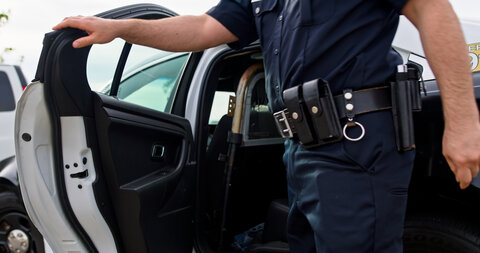
How do body-worn cameras affect the actions of police and prosecutors? A recent study of data from North Carolina suggests that introduction of these cameras
reduced incarceration rates for black people by 10.5 percent .… Similar reductions in disparities occurred for other outcomes, including conviction rates and jail time. … These findings suggest that prosecutors had previously misinterpreted information from police, either because they held biased beliefs or treated police reports as definitive accounts.
The study also examined whether
implementing BWCs changed prosecutors’ beliefs about racial differences in crime. … [The] findings show that prosecutors with more exposure to BWCs believed that disparities in the criminal justice system were driven more by racial bias and less by racial differences in crime. In addition, prosecutors with greater BWC exposure tended to reduce incarceration disparities relative to other prosecutors in their office.
All in all, BWCs seem to
provide prosecutors with more accurate information about arrests, which reduces racial disparities in incarceration and changes prosecutors’ beliefs about the sources of racial disparities in the criminal justice system.